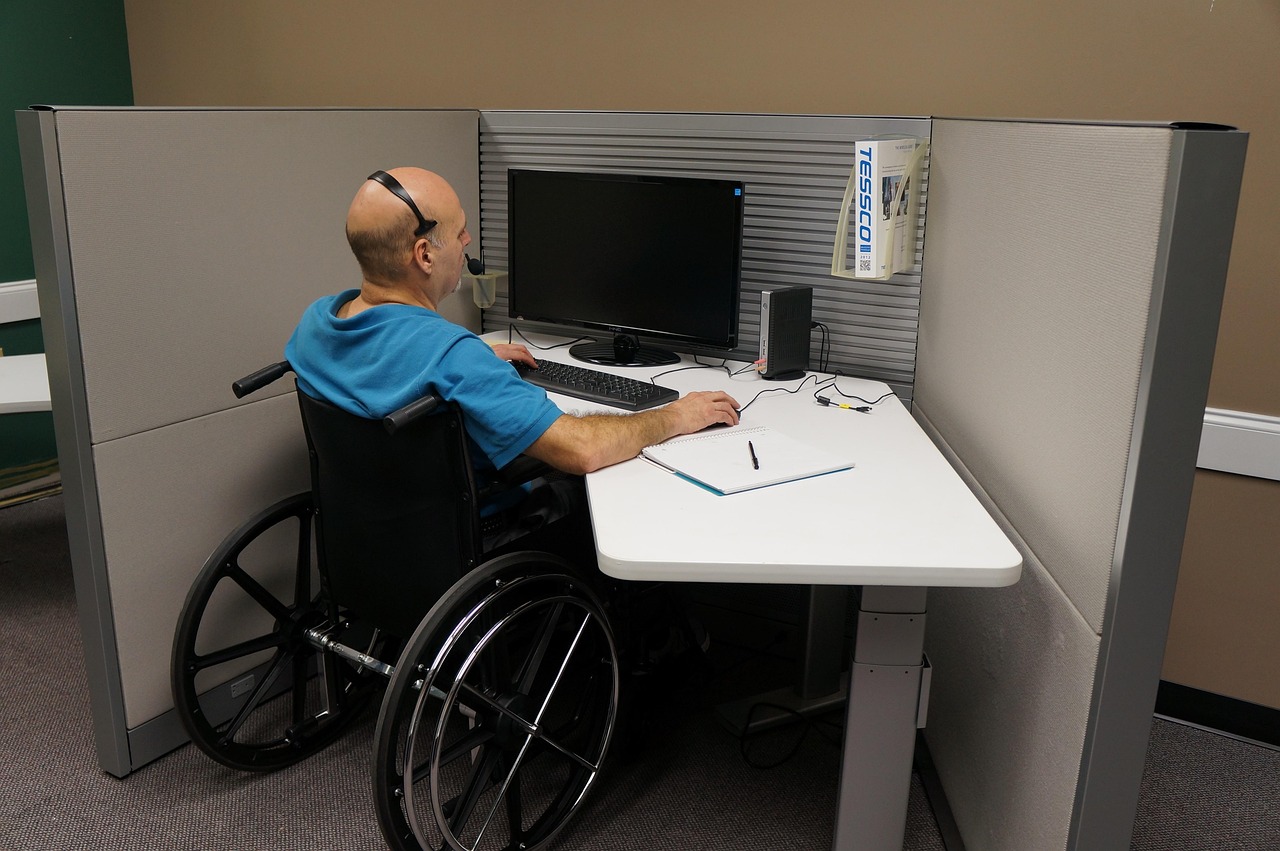
Front desks in medical and dental practices are doing three jobs at once: checking in the patient standing there, answering the phone, and handling insurance questions, often with one or two people. Something gives, and it's usually the phone. A new patient trying to book, or an existing one trying to reschedule, hits a busy signal or voicemail and tries the next practice instead.
The specific pain point in healthcare
Unlike a lot of industries, a missed call here isn't just a lost sale. It's a gap in someone's care, and a scheduling hole in your calendar that goes unfilled. New patient acquisition is expensive; losing one to an unanswered phone is one of the more avoidable ways to waste that spend.
Where an AI voice agent fits, without replacing your team
Onvea isn't meant to replace your front desk. It's built to cover the calls your team physically can't get to. In a medical or dental practice, that usually looks like:
A note on compliance
Onvea does not currently hold formal healthcare compliance certifications like HIPAA, so it's best suited today for scheduling, general inquiries, and overflow coverage rather than handling protected health information directly. Worth keeping in mind as you decide what to route through it.
What this means for your schedule
Every answered call is a chance to fill an open slot instead of losing that slot to a competitor who happened to pick up. Over a month, that's a meaningful number of appointments that would have otherwise gone to voicemail.
Try Onvea free and see how it handles overflow calls on your practice's line.